
BLOG

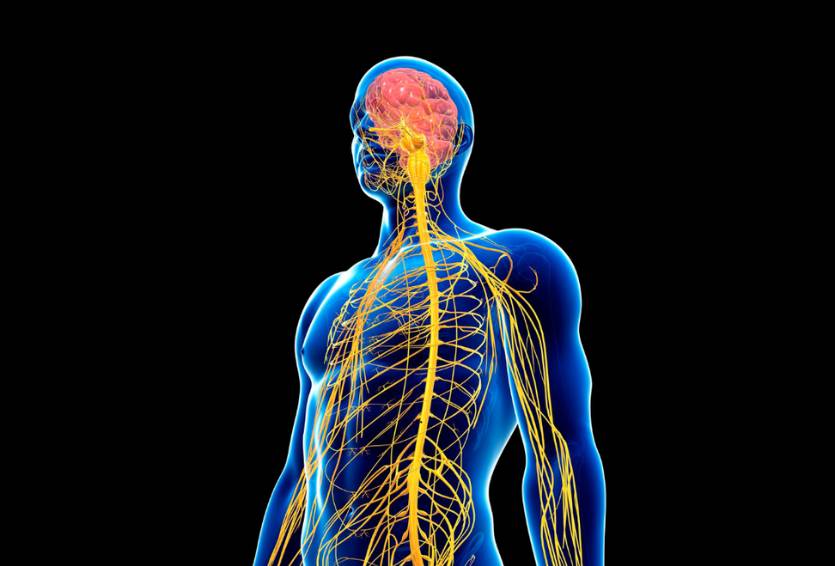
    The Intraoperative "Wake-Up" Test: Why Your Surgeon Might Ask You to Move Your Toes in the Middle of Surgery

    During complex spine or neurosurgery, preserving nerve function is critical. One technique...

    Is It Dementia or NPH? Identifying Normal Pressure Hydrocephalus—The "Reversible" Cause of Memory Loss

    Memory loss and cognitive decline are often assumed to be due to dementia, but in some...

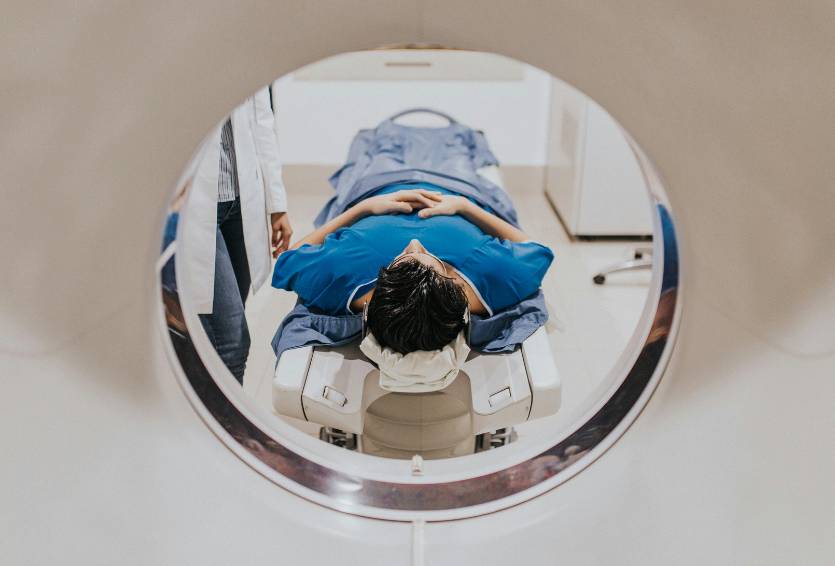
    Why MRI Results Don't Always Equal Pain: Understanding Why You Can Have a "Bulge" on a Scan But Feel Fine

    Many patients are surprised when their MRI shows a disc bulge, herniation, or degenerative...

    Laminoplasty vs. Laminectomy: Choosing the Procedure That Preserves the Most Natural Motion in Your Neck

    When spinal compression or stenosis affects the cervical spine, surgery may be necessary to...

    Endoscopic Third Ventriculostomy (ETV): Treating "Water on the Brain" Without a Permanent Plastic Shunt

    Hydrocephalus, commonly called "water on the brain," occurs when cerebrospinal fluid (CSF)...

    Managing Surgical Scars: How to Prevent Adhesions and Care for Your Incision for the Best Cosmetic and Functional Result

    After spine, brain, or orthopedic surgery, incision care is crucial not only for healing but also...

    Discography: The "Stress Test" for Your Spinal Discs—How We Prove Which Level Is Actually Causing Your Pain

    Back pain can be tricky to pinpoint. Imaging like MRI or CT scans shows degeneration or disc...

    Persistent Nausea & The Brain: When the Gut Is Fine, But "Increased Intracranial Pressure" Is the Culprit

    Nausea is often blamed on digestive issues, but in some cases, the problem originates in the...

    Bone Density and Your Spine: How Osteoporosis Changes Your Surgical Options and What You Can Do to Strengthen Your "Foundation"

    Strong bones are the foundation of a healthy spine, but conditions like osteoporosis—a...

    Cognitive "Slow-Down": When Forgetting Words or Names Is a Neurological Symptom Worth Investigating

    Forgetting words, names, or struggling to recall recent events can feel frustrating—and while...

    ALIF vs. TLIF vs. XLIF: A Patient’s Guide to Why Your Surgeon Chooses the Front, Back, or Side

    When spinal fusion is recommended, the approach your surgeon uses—front, back, or...

    Multi-Level Disc Replacement: Is It Safe to Replace More Than One Disc in the Neck or Back?

    Disc replacement surgery has become an effective alternative to fusion for treating...